

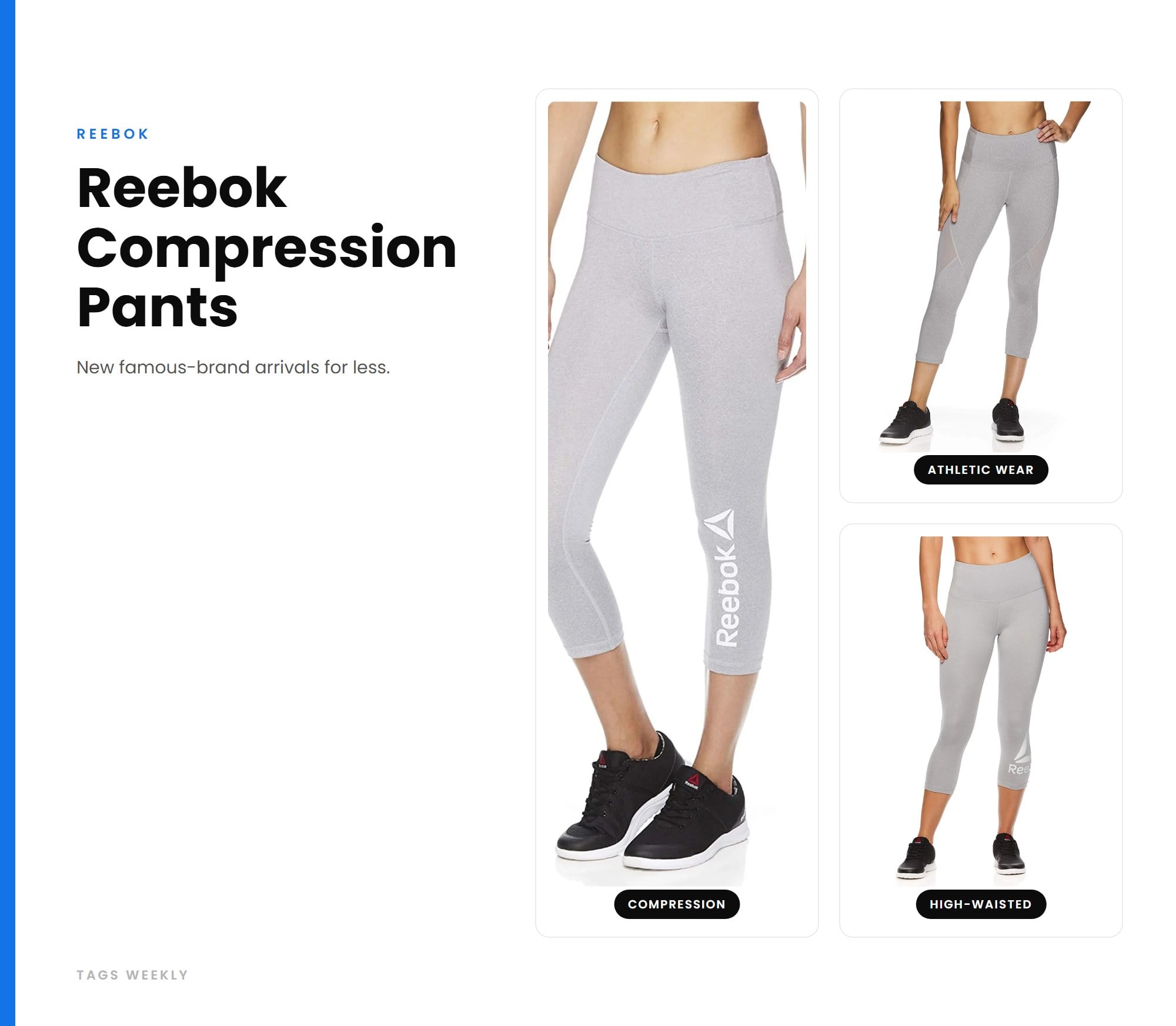
Compression pants apply gentle, even pressure to the muscles of your legs while you move. That pressure is the whole product: it’s what makes them feel supportive on a run, secure in a squat, and noticeably different from an ordinary legging. Reebok’s women’s compression range builds that squeeze into capri and full-length styles with the moisture-wicking fabric the brand is known for. Here’s an honest look at what compression actually does, when it earns a place in your rotation, and how to pick the right pair.
What Do Compression Pants Actually Do?
The well-supported benefits are mechanical. The snug knit stabilizes muscle during impact — less bounce and vibration with every stride — which many wearers experience as less leg fatigue late in a workout. The consistent pressure also gives you a stronger sense of where your limbs are, which is why compression feels so good under load in strength training. And the fit itself solves the everyday problems: nothing shifts, nothing rides down, nothing needs adjusting mid-set.
- Muscle support: reduced vibration and bounce during running and jumping — the most consistently reported benefit.
- Stay-put fit: the compression knit holds its position through squats, stretches, and full sessions.
- Recovery comfort: many athletes wear compression after hard sessions and report less next-day heaviness — research on performance gains is genuinely mixed, so treat this as comfort, not magic.
- Warmth and coverage: the dense knit keeps muscles warm as you warm up, and it’s reliably squat-proof.
What compression pants don’t do: burn extra calories, reshape your body, or replace actual recovery. A brand being straight with you about that is a better sign than one promising miracles.
Compression Vs. Regular Leggings: When Does The Squeeze Matter?
A regular legging is built for softness and ease — perfect for lounging, errands, and low-impact movement. A compression pant trades some of that ease for support, and the difference shows up exactly where the workout gets demanding: running, HIIT, plyometrics, heavy leg days. If your leggings drawer is all softness and your training includes impact, one compression pair fills a real gap. If your movement is walks and yoga, regular leggings already serve you well — the squeeze is a tool, not an upgrade for its own sake.

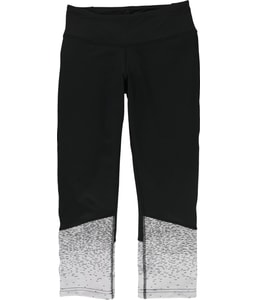
The capri length is the warm-weather workhorse — full compression through the thigh and calf muscle, with the ankle free for running and studio work.

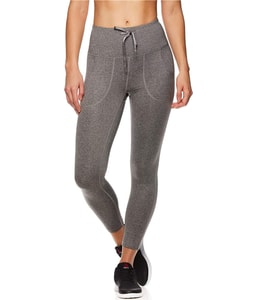
The high-rise version adds core coverage that stays anchored through inversions and deep squats — the fit most women reach for first.
How Should Compression Pants Fit?
Snug everywhere, painful nowhere. A right-sized compression pant takes a little effort to pull on, feels evenly firm from waistband to hem, and leaves no deep marks when it comes off. If the waistband folds over or the knees bag within an hour, size down; if seams dig or the waistband cuts, size up — pressure should read as “held,” never “squeezed numb.” Stick with your usual athletic size as the starting point: Reebok’s compression fit is engineered into the knit, so you don’t need to size down to get the effect.
When To Wear Them — And When Not To
Reach for compression on impact days, long runs, heavy lower-body sessions, and any workout where you want everything held firmly in place. They’re also a legitimately good travel and long-day choice — the same support that steadies a run makes hours of sitting or standing more comfortable. Skip them when your legs are asking for rest and softness, and if you have circulation concerns or a medical reason to wear graduated compression, that’s a conversation for your doctor, not a product page — athletic compression and medical compression are different tools.

From the gym, the same pair transitions straight into the rest of the day — a long tee or hoodie over a printed capri like this one is the default athleisure formula for a reason.
Capri Or Full Length? Picking Your First Pair
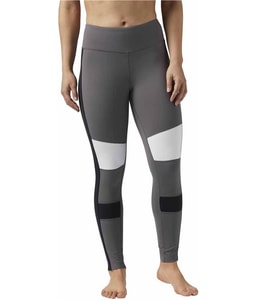
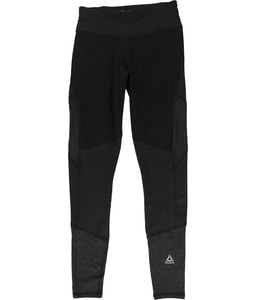
The capri is the do-everything answer: compression through the thigh and calf where the big muscle groups live, a free ankle for footwork, and comfort in warm gyms and summer runs. Full-length compression earns its place for outdoor training in cool weather, for wearers who want the knit’s warmth on the whole leg, and under joggers as a base layer through winter. If you’re buying one pair, start with the capri; if compression becomes a habit, the full-length joins the drawer for the cold half of the year. Beyond length, the checklist is short: a wide, high waistband that anchors without folding, flat seams that won’t chafe on repeat movement, and the moisture-wicking knit — all standard across Reebok’s compression line, which is why it’s an easy place to start.
How long can you wear them? For workouts plus the day around them, as long as they’re comfortable — the pressure from athletic compression is modest. The signal to change is the same as any activewear: after heavy sweat, wash before the next wear so the elastic knit keeps its snap. Machine wash cold, skip the fabric softener (it coats the wicking fibers), and hang or lay flat to dry — high dryer heat is what ages compression fabric fastest.
Move First, Then Decide
The case for compression is best made by a single hard workout in a well-made pair. Start with Reebok’s collection for the capri and high-rise styles shown here, compare the wider field in women’s compression pants, and if softness wins the day after all, the full leggings range is right there. Either way, your legs will tell you which drawer that new pair belongs in by the end of the first session.