

Shopping for a new sweater sounds simple until you’re standing in front of a rack of crewnecks, cardigans, cowlnecks, and cable knits with no idea which one solves your actual problem. Knowing the different types of sweaters — by neckline, by silhouette, and by knit — makes the choice fast: you’re not picking “a sweater,” you’re picking the right layer for a desk, a dinner, or a cold commute.
Sweaters fall into three categories: neckline (crew, V-neck, turtleneck, mock neck, cowl), silhouette (pullover, cardigan, vest, tunic, poncho, hooded), and knit (cable, ribbed, fine-gauge). A pullover crewneck is the everyday layer; a cardigan adds temperature control; a cable or ribbed knit reads dressier and holds more warmth than a smooth fine-gauge knit.
Jump to a Section
- Sweater Necklines: Crew, V-Neck, Turtleneck, Mock Neck, Cowl
- Sweater Styles by Silhouette: Pullover, Cardigan, Vest, Tunic, Poncho, Hooded
- By Knit & Fabric: Cable, Ribbed, and Knit Weights
- Types of Sweaters Compared
- How to Choose a Sweater
- Sweater FAQ
Sweater Necklines: Crew, V-Neck, Turtleneck, Mock Neck, and Cowl
The neckline decides how a sweater sits under a jacket, a coat, or nothing at all, and it’s the fastest way to sort sweater necklines when you’re shopping in a hurry. It also decides what shows above a coat collar and how much of a shirt collar or necklace stays visible underneath, which matters more once fall layering starts stacking pieces.
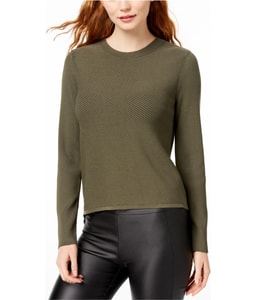
Crewneck: a round, close-to-the-throat neckline that layers under a jacket without bunching and works alone with jeans on its own. It’s the most versatile neckline here, which is why most closets build around it first. Because it sits flat, it’s also the easiest neckline to layer a scarf or a collared shirt underneath without the two necklines fighting.
V-neck: opens the chest into a point, which means it plays well over a collared shirt or blouse without hiding the collar. Pick a V-neck when the sweater is going over another top, not replacing one. The deeper point also breaks up a busy outfit and reads slightly more streamlined than a crewneck in the same weight.
Turtleneck: a folded, close collar that runs up the neck for the most warmth of any neckline on this list — no exposed skin between chin and chest, so it’s the pick for genuinely cold days rather than mild ones. Worn alone, a turtleneck also stands in for a scarf, which is why it’s a common base layer under a heavier coat once temperatures actually drop.
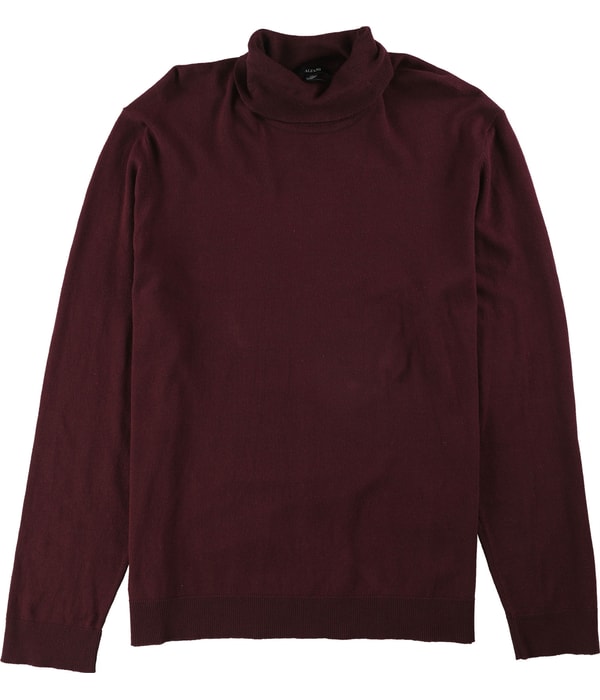
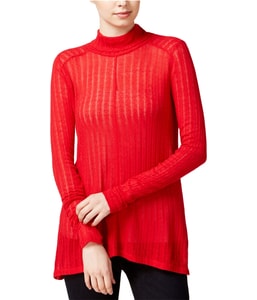
Mock neck: a shorter, unfolded version of the turtleneck — same coverage idea, less bulk at the throat, so it sits flatter under a coat collar or a blazer. It’s the compromise pick for anyone who wants turtleneck warmth without the fabric bunching under the chin.
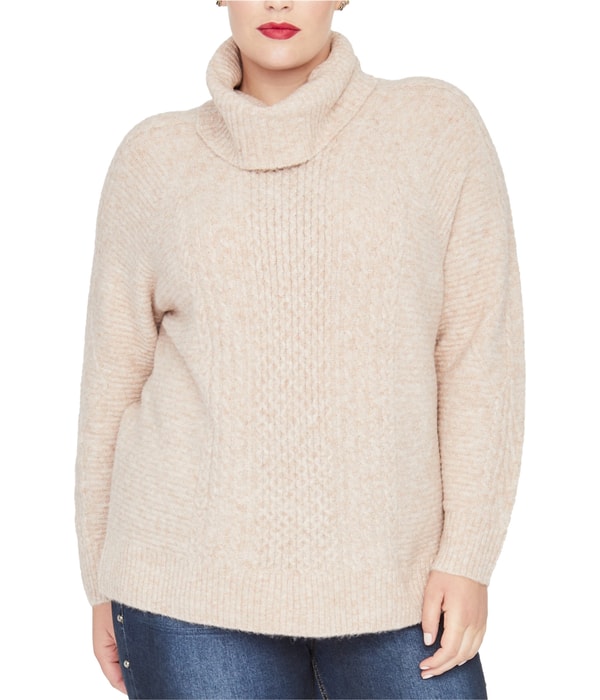
Cowl neck: loose, draped fabric that pools at the collarbone instead of hugging the neck. It reads dressier than a crewneck and adds visual interest without a print, which makes it an easy swap for a going-out top. Because the drape adds volume near the face, it pairs best with a fitted bottom so the whole silhouette doesn’t read oversized.
None of these necklines is objectively “best” — the right one depends on what’s going over or under it. A sweater that’s meant to be the top layer (turtleneck, cowl) can carry more texture and color; a sweater that’s meant to disappear under a coat (crewneck, mock neck) should stay simple so it doesn’t fight the outer layer.
Sweater Styles by Silhouette: Pullover, Cardigan, Vest, Tunic, Poncho, and Hooded
Neckline shapes the collar; silhouette shapes the whole garment — how it closes, how long it runs, and whether it’s built to layer or to stand alone.
Pullover: no closures, goes on over the head, and is built as one piece — the default silhouette for most sweaters because there’s nothing to fuss with. A pullover works as the whole outfit’s top half or as a mid-layer under a coat. Shopping specifically for men’s knitwear, our men’s pullover sweaters cover crew, V-neck, and turtleneck pullovers in one place, and our pullover style guide for men breaks down which weight to grab for which temperature.
Cardigan: opens down the front with buttons, a zip, or nothing at all (open-front). Because it opens, a cardigan is the easiest sweater to control for temperature — wear it closed indoors, open it in transit, take it off entirely without disturbing whatever’s underneath. That’s the heart of the pullover vs cardigan decision: a pullover is a fixed layer, a cardigan is an adjustable one.
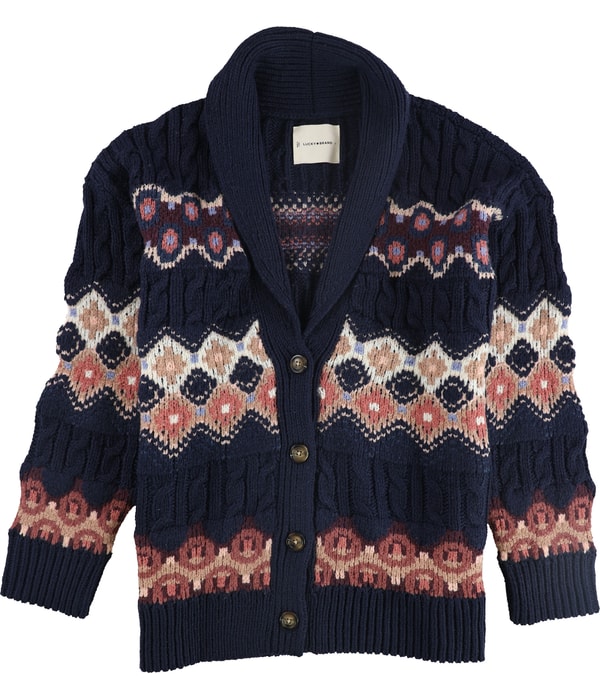
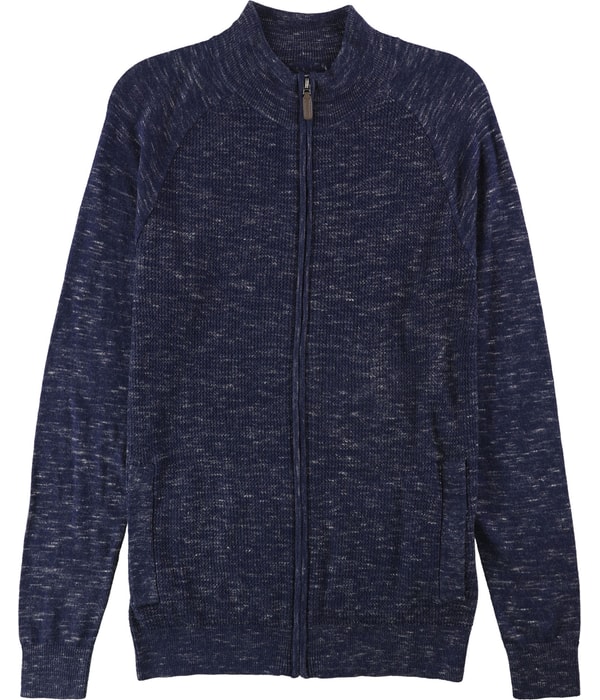
See the shape in women’s cardigan sweaters — shawl-collar, cropped, and duster-length versions all fall under the same open-front idea.
Vest: a sleeveless pullover or cardigan, worn over a button-down or a long-sleeve tee for warmth in the torso without bulk at the arms. Vests are having a real moment layered over shirts for an office look that isn’t a blazer. Browse women’s sweater vests for the layering pieces.
Tunic: a pullover cut long — hip length or longer — meant to be worn with leggings or slim pants rather than tucked in. It’s a one-piece outfit more than a layering piece. Our women’s tunic sweaters run from ribbed to cable in this longer length.
Poncho: no sleeves, no side seams — a knit that drapes over the shoulders and falls open at the arms. It’s the most casual, throw-on silhouette on this list, best over a fitted top so the shape reads intentional rather than shapeless. Check women’s poncho sweaters for the current styles.
Hooded: a pullover or cardigan with a knit hood attached, splitting the difference between a sweater and a sweatshirt. It’s the pick for outdoor errands where a hood beats a bare neck. See women’s hooded sweaters for the knit-hood versions.
These silhouettes aren’t locked into one occasion each — a vest layers over a hooded pullover for extra warmth without extra sleeves, and a cardigan works over a tunic when the tunic alone isn’t quite enough for the temperature. Building a small rotation across two or three silhouettes covers more real-world weather swings than owning several sweaters in the same shape.
By Knit & Fabric: Cable, Ribbed, and Knit Weights
Two sweaters can share a neckline and silhouette and still feel completely different because of how the yarn is knit. This is the detail most shoppers skip past, but it decides warmth, drape, and how dressy the sweater reads.
Cable knit: a raised, twisted-rope pattern knit into the yarn itself, not printed on. The texture traps more air than a flat knit, so a cable sweater runs warmer for its weight and reads more traditional — think fisherman sweaters and varsity cardigans.
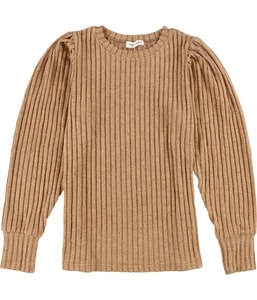
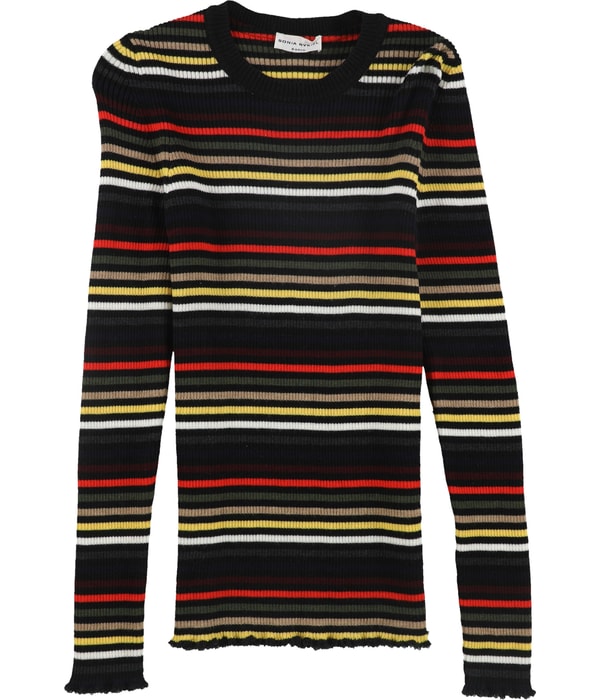
Ribbed knit: vertical raised-and-lowered columns that hug the body more than a cable or a flat knit. Ribbing stretches and recovers well, which is why it shows up at cuffs and hems on almost every style and as the whole body on fitted ribbed pullovers.
Knit weight — fine-gauge, midweight, or chunky — is the other variable. Fine-gauge knits layer flat under a jacket without adding bulk; chunky knits are built to be seen and worn closer to solo. Boucle and other looped, textured knits fall between the two — visually heavier than a fine-gauge knit but usually lighter to wear than a true chunky cable. If you’re shopping specifically for the chunkier, textured end of the range, our men’s knit sweaters group cable, ribbed, and heavier-gauge styles together.
Knit weight is also the piece most worth planning ahead for. Fall temperatures swing more than any other season, so a rotation that covers fine-gauge (early fall, indoors), midweight (typical fall days), and one chunky or cable piece (the first real cold snap) will outlast a closet full of sweaters in a single weight.
Types of Sweaters Compared
A quick side-by-side for how each type stacks up on warmth and dressiness, and where it actually gets worn.
| Sweater Type | Warmth | Dressiness | Best For |
|---|---|---|---|
| Crewneck pullover | Medium | Casual | Everyday layering |
| V-neck pullover | Medium | Smart-casual | Over a collared shirt |
| Turtleneck | High | Smart-casual | Cold days, no coat underneath |
| Mock neck | Medium-high | Smart-casual | Under a blazer or coat |
| Cowl neck | Medium | Dressy | Evenings out |
| Cardigan | Adjustable | Smart-casual | Office, transit, temperature swings |
| Vest | Low-medium | Smart-casual | Layering over shirts |
| Tunic | Medium | Casual | Worn with leggings, no coat needed |
| Poncho | Medium | Casual | Throw-on over a fitted top |
| Hooded | Medium-high | Casual | Outdoor errands |
| Cable knit | High | Casual-traditional | Cold-weather staples |
| Ribbed knit | Medium | Smart-casual | Fitted, body-skimming looks |
How to Choose a Sweater
Start with what the sweater needs to do, not what it looks like on a rack. Match the occasion first, then the temperature, then the fit.
- Case: layering under a coat for a commute — go fine-gauge crewneck or mock neck so it doesn’t add bulk at the shoulders.
- Case: the sweater is the whole outfit, no coat — go turtleneck or cable knit for warmth without an extra layer.
- Case: temperature swings all day, office to outdoors to a warm car — go cardigan so you can open or remove it without redoing the whole look.
- Case: a dressier evening without changing into a full outfit — go cowl neck or a fine ribbed knit over a slim silhouette.
- Case: quick errands in cold weather — go hooded pullover so you skip a separate hat or hood.
Fit matters as much as style: a sweater that’s too tight compresses the knit and kills the warmth it’s built for, and one that’s too loose in a cardigan or pullover just adds bulk without adding heat. When in doubt, size for what’s going underneath it, not for the sweater alone — a sweater meant to sit over a button-down needs more room through the shoulders than one meant to be the only layer.
Since fall is when most sweater shopping actually happens, it’s worth buying slightly ahead of the weather rather than after the first cold snap, when the styles and sizes you want tend to move fastest. Browse the full range in women’s and men’s sweaters to compare necklines, silhouettes, and knits side by side.
Sweater FAQ
What are the best brands for men’s and women’s sweaters?
There isn’t one “best” brand — it depends on the style. For classic cardigans and pullovers, Club Room and Alfani cover reliable, everyday knitwear for men, while Lucky Brand, Rachel Roy, and Sonia Rykiel run from casual cardigans to dressier cable and ribbed knits for women. Compare a few brands side by side rather than committing to one, since fit and knit weight vary more by style than by label.
Pullover vs cardigan — which is warmer?
A pullover in the same knit and weight is usually warmer, because it has no front opening for air to sneak through. A cardigan trades a small amount of warmth for the ability to open, layer, or remove it without disturbing what’s underneath — worth it for anyone moving between indoor and outdoor temperatures all day.
Are sweater vests still in style?
Yes — sweater vests are back as a layering piece over button-downs and long-sleeve tees, not as a standalone top. The current styling leans slim and cropped rather than the boxy vests of past decades, worn open or buttoned over a collared shirt for an office look that skips the blazer.
What sweater is warmest?
Turtlenecks and cable knits are the warmest combination on this list — a turtleneck seals the neck, and a cable knit’s raised texture traps more air than a flat or fine-gauge knit. Put the two together, a cable-knit turtleneck, and you get the most warmth without adding a second layer.
However you sort them — by neckline, by silhouette, or by knit — the fastest path to the right sweater is naming the job first: everyday layer, temperature-swing piece, or the whole outfit on its own. Once that’s decided, crewneck vs turtleneck, pullover vs cardigan, and cable vs ribbed all answer themselves.