

Jackets fall into a few broad families: lightweight layers like the bomber, denim, and moto jacket; insulated pieces like the puffer, quilted jacket, and fleece; tailored coats like the blazer, trench coat, and pea coat; and technical outerwear like the parka and windbreaker. The types of jackets you need depend on climate, occasion, and warmth.
This guide breaks down the different types of jackets you’ll find on the rack, with a quick side-by-side table for warmth and weather, real examples pulled from current stock, and notes on who each style actually suits. Jump to any type below, or read straight through for the full picture.
- Bomber Jacket
- Puffer Jacket
- Denim / Jean Jacket
- Trench Coat
- Pea Coat
- Parka
- Blazer & Sport Coat
- Fleece Jacket
- Quilted Jacket
- Varsity Jacket
- Moto / Faux-Leather Jacket
- Shirt Jacket
- Windbreaker / Rain Jacket
- Track Jacket
- Vest
- Overcoat / Wool Coat
- Field / Utility Jacket
How Is a Jacket Different From a Coat?
A coat runs longer and heavier, built to work as a stand-alone outer layer in cold weather. A jacket is shorter and lighter, often meant to sit over a shirt or under a coat rather than replace one. Pea coats, trench coats, and overcoats read as coats; bombers, denim jackets, and moto jackets read as jackets. The parka blurs the line — long and warm enough to function like a coat, but cut and sold as a jacket. Fit still matters most. A coat that swallows your shoulders undercuts the warmth it’s supposed to add, and a jacket that’s too short at the wrist does the same thing at a smaller scale. Compare the full range in our jackets and coats department to see both categories side by side, in sizes for men and women.
Types of Jackets at a Glance: Warmth, Weather, and Dressiness
Use this table to narrow the field fast. The same warmth-and-weather logic applies to jacket styles for men and jacket styles for women alike — only the cut and detailing change by gender — so read the sections below for styling notes and real examples of each one.
| Jacket Type | Warmth | Best Weather | Dressiness |
|---|---|---|---|
| Bomber | Light to medium | Cool, dry days | Casual |
| Puffer | Warm to very warm | Cold, windy | Casual |
| Denim / Jean Jacket | Light | Mild, transitional | Casual |
| Trench Coat | Medium | Rainy, cool | Dressy-casual |
| Pea Coat | Medium to warm | Cold, dry | Dressy |
| Parka | Very warm | Cold, snowy, windy | Casual |
| Blazer & Sport Coat | Light | Mild, indoor events | Dressy |
| Fleece | Medium | Cool, dry, active | Casual |
| Quilted | Medium to warm | Cold, dry | Casual |
| Varsity | Light to medium | Cool, dry | Casual |
| Moto / Faux-Leather | Light to medium | Cool, dry | Casual |
| Shirt Jacket | Light | Mild, transitional | Casual |
| Windbreaker / Rain | Light | Rainy, windy | Casual |
| Track Jacket | Light | Mild, active | Casual |
| Vest | Light to medium (core only) | Cool, layering | Casual |
| Overcoat / Wool Coat | Warm to very warm | Cold, dry | Dressy |
| Field / Utility | Medium | Cool, damp | Casual |
Bomber Jacket
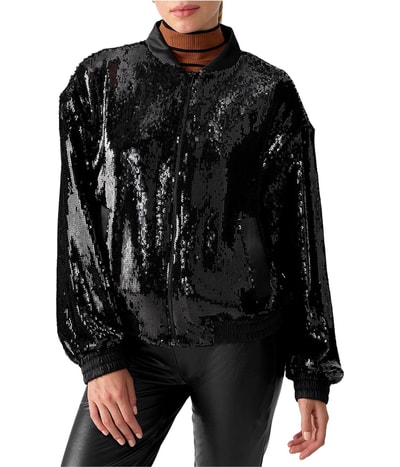
The bomber traces back to flight gear: a ribbed collar, cuffs, and hem built to seal in warmth without adding bulk, wrapped around a boxy, cropped body. That construction is what makes it easy to wear — it layers over a hoodie or a plain tee without piling on weight, and the ribbing keeps a draft from sneaking in at the waist. Warmth runs light to medium, so a bomber suits cool, dry days rather than deep winter. Satin and nylon versions lean dressier; sherpa-lined ones add real insulation for colder mornings. Our women’s bomber jackets selection covers both ends of that range in current styles and sizes.
Puffer Jacket
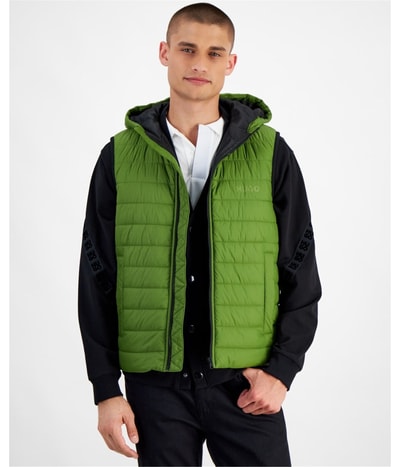
A puffer works by trapping air in stitched baffles, which is why it reads bulkier than a bomber but performs so much better in real cold. Down fill packs the most warmth per ounce; synthetic fill costs a little in loft but holds up better if it gets wet. Either way, a puffer is built for genuinely cold, windy days rather than a chilly commute. Look for a fitted cut if you plan to layer a sweater underneath, since an oversized puffer over bulky knits can crowd your arms. Shop men’s puffer jackets for options across both fill types.
Denim / Jean Jacket
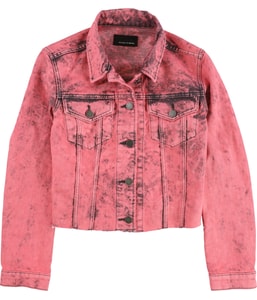
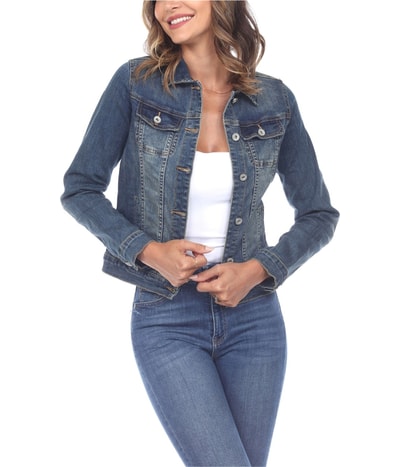
A denim jacket is the rare piece that looks intentional over almost anything: a dress, a plain tee, workwear, even loungewear that needs one structured layer. It runs light rather than warm, which is the point — it’s a transitional piece for weeks when a real coat feels like overkill but bare arms don’t. Classic indigo wears the most casually; a darker rinse or a colored wash reads a step dressier. Our women’s jean jackets selection sticks to fits that layer easily over both tops and dresses.
Trench Coat
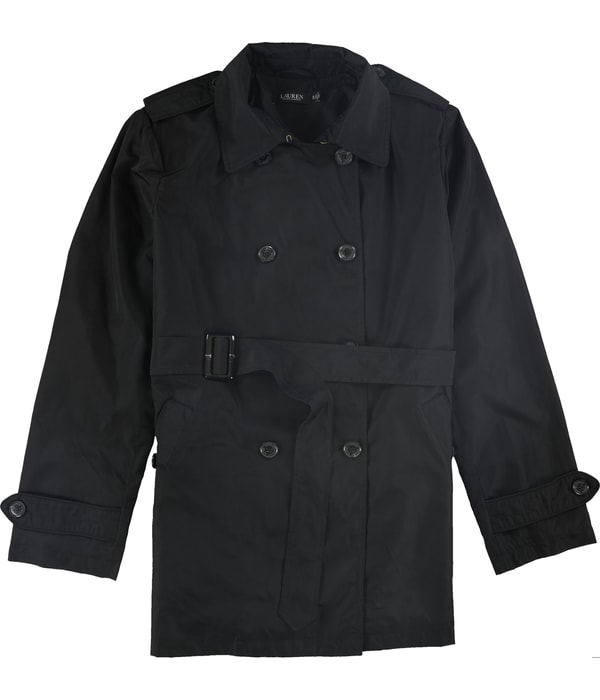
The trench coat was designed for rain, and the details still show it: a storm flap across the shoulders, a belted waist, and a longer cut that clears most dresses and trousers. It reads dressier than a denim or bomber jacket without tipping into formalwear, which makes it one of the few pieces that works over both office clothes and a weekend outfit. Warmth is moderate on its own, so a lightweight sweater underneath extends it into cooler weather. Our women’s trench coats come in classic double-breasted styles built for exactly this kind of layering.
Pea Coat
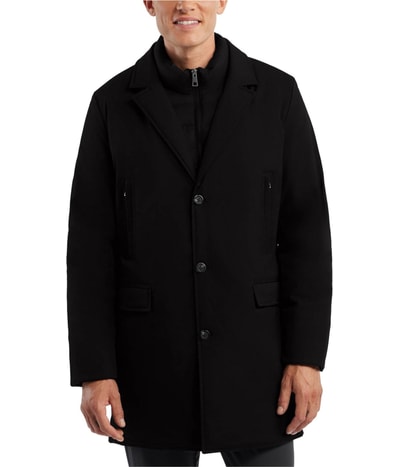
A pea coat is wool or a wool blend, cut short at the hip with a double-breasted front and a wide collar that flips up against wind. That shorter length is what separates it from a full overcoat — it moves easier and works with jeans as readily as dress trousers. Warmth runs medium to warm depending on the wool weight, which puts it in the cold-but-dry category rather than the deep-freeze one. It’s also one of the few coats that reads dressy without a blazer underneath. Check men’s pea coats for current wool-blend options.
Parka
A parka is built for the worst weather on this list: long enough to cover the hips or thighs, insulated through the body, and finished with a hood that actually blocks wind at the face. Some versions add a faux-fur trim around the hood for extra wind protection; most rely on a synthetic or down fill underneath a weatherproof shell. Because of that length and insulation, a parka is the pick for snow, sustained cold, or an exposed commute rather than a mild fall day. Browse men’s parkas for shell weights suited to different climates.
Blazer & Sport Coat
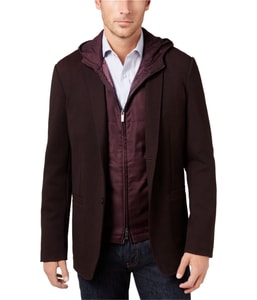
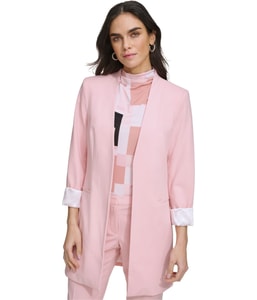
A blazer and a sport coat look similar at a glance, but the difference is in the construction: a blazer is typically built to pair with separates or a matching suit, while a sport coat leans on a bolder pattern or texture meant to stand on its own. Both run light on warmth and heavy on dress code, working best over a button-down for an office day or a dinner out rather than cold-weather protection. Layer a sweater underneath once temperatures drop, since neither is insulated. See men’s blazers for structured options in current fabrics.
Fleece Jacket
Fleece is a knit synthetic fabric brushed for loft, which is why it feels warm without weighing much. A full-zip fleece jacket works as a mid-layer under a shell on genuinely cold days or on its own for a brisk walk, and it breathes better than most insulated options, so it doesn’t trap heat the way a puffer can. It also dries fast if it gets damp, which makes it a practical pick for anything active outdoors. Our women’s fleece jackets span lightweight zip-ups and heavier sherpa styles.
Quilted Jacket
Quilted jackets stitch the insulation into a diamond or box pattern, which keeps the fill from shifting around the way it can in an unstructured puffer. That stitching also gives quilted styles a flatter, more tailored profile, so they layer under a coat more easily than a bulkier puffer would. Warmth sits in the medium-to-warm range, solid for cold, dry days without the extra bulk. Many quilted jackets lean toward a slimmer, jacket-length cut rather than a longer coat silhouette. Shop women’s quilted jackets for fitted options in that range.
Varsity Jacket
A varsity jacket keeps the classic formula: a wool or fleece body, leather or faux-leather sleeves, a ribbed collar and cuffs, and a snap-front closure. Warmth lands light to medium, closer to a bomber than a puffer, so it’s a cool-weather piece rather than a deep-winter one. The contrast-sleeve construction is what makes it instantly readable as a varsity style even without any lettering or patches. Plain, patch-free versions wear the most easily with everyday pieces. Browse men’s varsity jackets for current colorways.
Moto / Faux-Leather Jacket
A moto jacket is built around an asymmetrical zip front, a fitted body, and hardware details like buckles or zippered pockets borrowed from motorcycle gear. Faux-leather versions get the same silhouette without the higher-maintenance material, which makes them easier to fold into everyday rotation. Warmth is light to medium, so a moto jacket suits cool, dry days rather than serious cold, and it layers well over a t-shirt or under a scarf once temperatures drop further. Our women’s moto jackets come in both smooth and textured faux-leather finishes.
Shirt Jacket
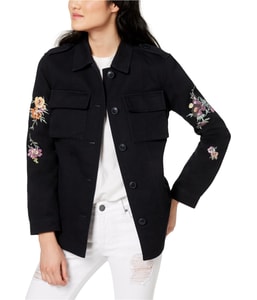
A shirt jacket, often shortened to shacket, sits between a flannel shirt and a light jacket: heavier fabric than a button-down, but cut looser and often unlined, so it works buttoned as outerwear or open as a layer over a tee. Warmth is light, best suited to mild, transitional weather rather than genuine cold. Flannel and corduroy versions add a little more weight for cooler days. Its in-between construction is exactly what makes it easy to throw on without much thought. Check men’s shirt jackets for current plaid and solid options.
Windbreaker / Rain Jacket
A windbreaker uses a lightweight, tightly woven shell to cut wind without adding real warmth, which makes it a layering piece rather than a stand-alone cold-weather jacket. A rain jacket does similar work but adds a water-resistant coating, sometimes with taped seams, so it’s the better pick when the forecast calls for rain rather than just wind. Both pack down small enough to carry when you’re not sure you’ll need them. Neither is meant to replace real insulation on a cold day — think of either one as a shell over a sweater. Browse men’s windbreakers for packable options.
Track Jacket
A track jacket is athletic in origin: a zip front, ribbed collar and cuffs, and a lightweight knit or woven fabric built to move with you. Warmth is light, keeping it in the same category as a bomber or denim jacket rather than anything insulated. Stripe details along the sleeve are the classic signature, though solid versions read a little less sporty for everyday wear. It’s an easy layer over a t-shirt for errands, weekend plans, or an actual workout.
Vest
A vest covers the core and leaves the arms free, which sounds like less jacket but actually solves a specific problem: warmth without the bulk of sleeves under a backpack strap or while you’re active. Puffer vests trap the most heat; quilted and fleece versions run a little lighter. Layer one over a long-sleeve shirt or under a jacket for extra insulation through the torso on days when full sleeves feel like too much. It’s a practical add rather than a statement piece, which is exactly why it works so well as a layering option.
Overcoat / Wool Coat
An overcoat is the longest, most formal option on this list: a full-length wool coat, usually single- or double-breasted, meant to go over a suit or dressy separates rather than casual layers. Warmth runs high thanks to the wool weight and length, making it a genuine cold-weather piece rather than a fall transition jacket. It reads dressier than a pea coat because of both the length and the more tailored shoulder. Save it for occasions that call for a suit, or wear it over a sweater and trousers when you want the same formality with less effort.
Field / Utility Jacket
A field jacket takes its shape from military design: a cotton or cotton-blend shell, multiple flap pockets, a drawstring waist, and a collar that stands up against wind. Warmth is moderate on its own, closer to a fleece than a parka, though many versions add a removable liner for colder days. The multiple pockets are the real functional payoff — it’s built to carry things, not just look good doing it. It works equally well over a hoodie or a button-down, and that flexibility is a big reason it holds up as a year-round piece in cooler climates.
Match the Jacket to the Occasion
A few common situations, matched to the type that handles them best:
- Commuting in the rain: a windbreaker or rain jacket with a hood beats anything without weather protection.
- A genuinely cold, snowy day: reach for a parka or a heavy puffer over a fleece layer.
- An office day that might turn into drinks after: a blazer or a trench coat over the same outfit covers both.
- Running errands in mild weather: a denim jacket, shirt jacket, or track jacket all work without overthinking it.
- An evening that calls for real formality: an overcoat over a suit is the safest read.
- Anything active outdoors: a fleece or a vest keeps you warm without restricting movement.
- A cold morning that warms up fast: a quilted jacket layers off easily without leaving you stuck carrying a coat.
How Do You Layer Jackets for Cold-Weather Days?
Layering works best when each piece has a specific job: a base layer for warmth against the skin, a fleece or sweater as the insulating middle layer, and a shell like a parka or a heavier coat on top to block wind and precipitation. Skip anything too bulky in the middle layer if the outer jacket is already insulated, since two thick layers usually trap less heat than one well-fitted one. A vest is a useful middle option when full sleeves under a coat feel like too much.
Which Jacket Should You Buy First?
If you’re building a jacket collection from nothing, start with one lightweight option and one insulated one: a denim or bomber jacket for mild days, and a puffer or wool coat for cold ones. Add a rain-ready shell next, since weather protection is the gap those first two don’t cover. A dressier piece, like a blazer or trench coat, and a specialty layer, like a field jacket or moto jacket, round things out once the basics are handled.
Between warmth, weather, and dress code, most closets end up needing more than one type of jacket, and that’s fine — each style above is built to solve a different problem. Start with whichever gap in your current lineup is easiest to spot, and build out from there as the seasons change.